
When Peter Met Charlie
Five Core Qualities of a Matchmaker

Preface
A social matchmaker’s work centers on thoughtfully recruiting and introducing people living in isolation to those who are more connected to community life, then guiding those relationships over time and providing a supportive network so that each relationship can reach its fullest potential.
This approach is built upon the assumption that people from across societal barriers (such as people with and without disabilities) won’t naturally cross paths, much less build meaningful relationships, without intentional coordination from someone who can establish trust and extend a compelling invitation.
In this post, I’ll highlight five core qualities to look for when identifying matchmakers. Whether you’re stepping into the role yourself or identifying matchmakers for your Core Group, these traits can guide you.
As you will see, the role of a matchmaker is multifaceted, going beyond mere logistical coordination.
These lessons unfolded for me slowly. It was through lived experience, by observing matchmakers far more skilled than myself, and by learning from the wisdom of Citizen Advocacy programs.
To illustrate that journey, let me take you back to one of my very first matches.
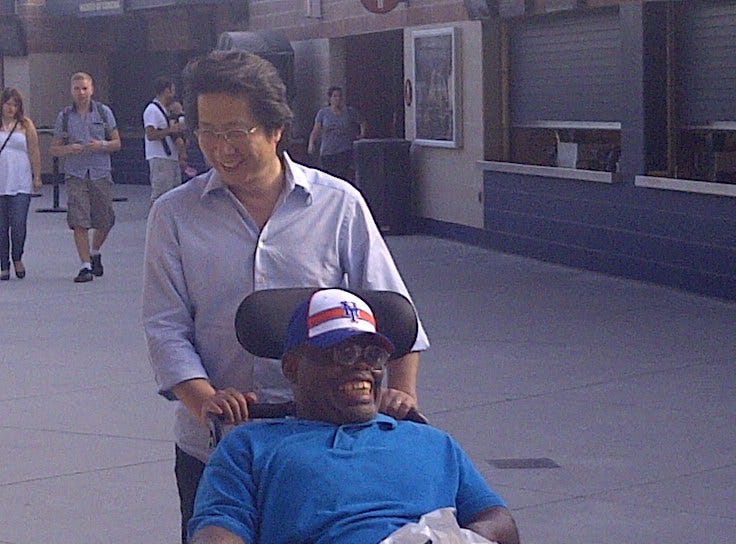
Peter (left) and Charlie (right)
When Peter Met Charlie
One of my earliest matches was between Peter, a church elder who was also a husband and father of two, and Charlie, an exuberant man with cerebral palsy who lived in a group home with no family nearby.
After one of our early Core Group gatherings, Peter approached me and said, “I’d like to meet someone.” It was exactly the nudge I needed. Despite our rich discussions about the social isolation experienced by people with disabilities and heartfelt sessions of prayer, I had struggled to find the courage to make that first invitation.
Peter made that first step easier.
I immediately thought of Charlie. I knew him through Tony, a longtime friend of mine, who was his roommate. Charlie spent most days at a community day program for people with disabilities and nights and weekends watching TV alone.
Peter and Charlie talked comfortably for about half an hour while I stood in the hallway, excitedly peering in. It’s working! I thought. Standing outside the room, I occasionally chatted with staff I’d known for years (through my many visits to see Tony), explaining the new program I was starting and why Peter and Charlie were meeting.
I was excited and I was nervous. The moment their conversation seemed to be wrapping up, I realized I hadn’t helped them picture what the relationship might become.
I felt the urge to say, “Hey, wouldn’t it be great if you guys hung out again?” Yet I hesitated. If I had clearly set expectations from the start, this moment might have felt easier. Instead, doubts crept in: What if I seemed too forceful? What if they were both uncomfortable and just being polite?
But then, as Peter got up to leave, Charlie turned to him and asked,
“When am I going to see you next?”
Peter didn’t hesitate:
“How about next week?”
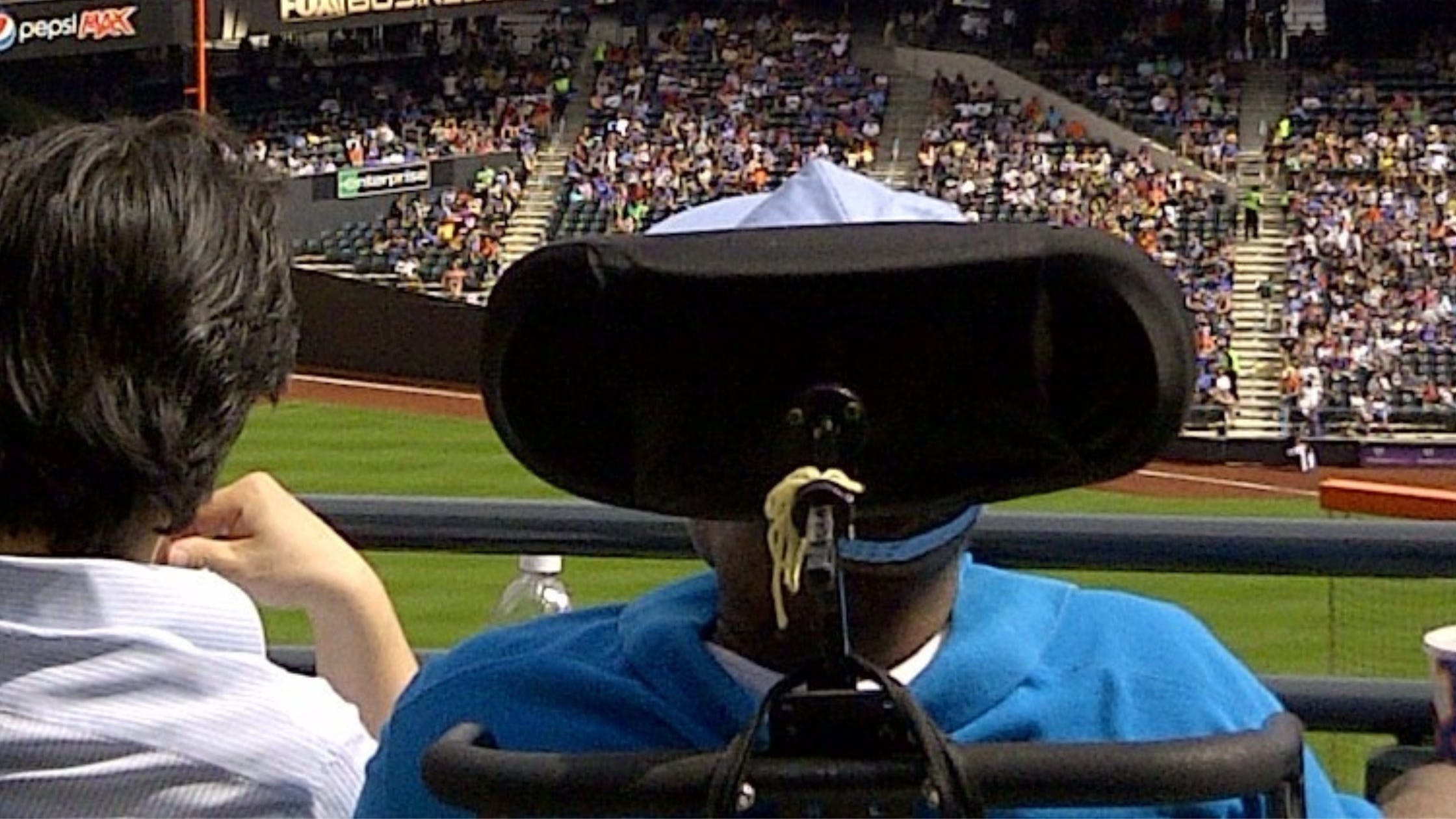
And just like that, something began: ball games, sharing meals, and attending church together. Charlie eventually met Peter’s family as well.
Looking back, I could have been more clear about what this connection might become and perhaps the friendship would have deepened even more. I wonder now if I held back because of an unconscious assumption—one that underestimated what’s possible across differences, and what people are willing to do when given the invitation and the opportunity.
But maybe I also did something right. After all, even with my vague invitation, Peter and Charlie connected. Perhaps intuitively, I had created a "flash point" around them—something that Tom Kohler of Chatham Savannah Citizen Advocacy describes as moments “to let people’s natural goodness emerge.”
Five Core Qualities of a Matchmaker
The funny thing is, after more than a decade of facilitating and supporting relationships, I still don’t fully understand how these “flash point” moments happen. So much of matchmaking involves simply showing up to make the invitation and being willing to humbly fumble alongside people as they learn to see themselves reflected in one another. And who can say, for sure, exactly how that works?
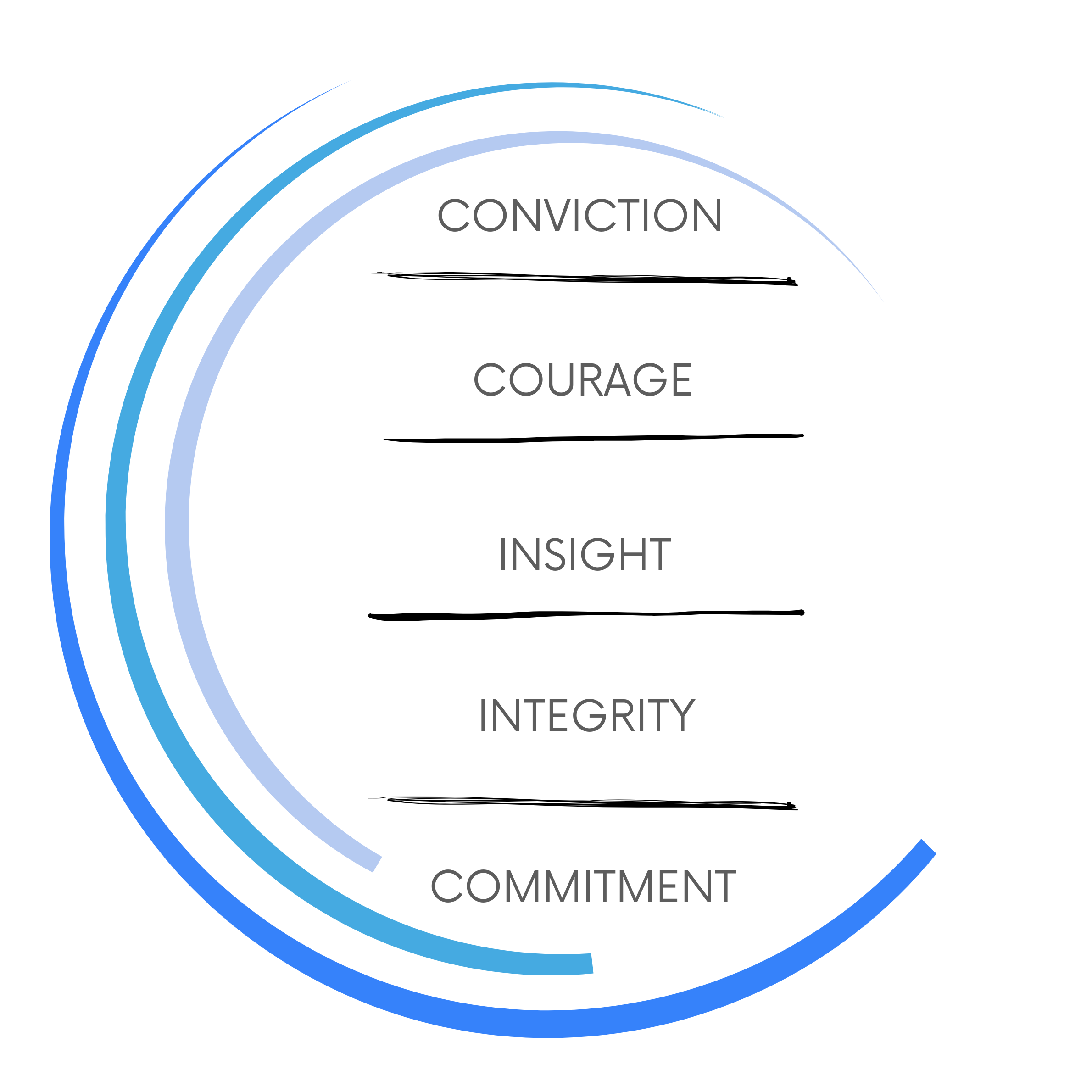
Still, I’ve come to recognize certain core qualities that every relationship-building program should look for in its matchmakers and help their people grow into.
Read this as an aspirational portrait shaped by five core qualities, not as a list of todos or a manual. No one embodies all five qualities perfectly and that’s the beauty of doing this work in community. In a healthy Core Group, each member plays a role in helping relationships take root.
1. Conviction Rooted in Personal Experience
The first quality is a conviction that freely-given relationships across societal barriers are not only a possibility but also an opportunity for both people involved.
Matchmakers often draw their conviction from their own “flash point” experiences that reveal the importance of relationships across difference, often becoming turning points that reshape how they see others and themselves.
Whatever their background, effective matchmakers carry these moments with them as they invite others into relationships—hoping they’ll experience the same joy of offering someone a place to belong, and discovering one for themselves too.
An invitation is far less likely to resonate if the matchmaker didn’t truly believe it is possible, or if they saw it as a burden instead of an opportunity.
Instead, matchmakers know firsthand what’s possible, and that belief shapes every invitation they offer.
2. Courage Rooted in Relational Wisdom
Social matchmakers are perceptive and curious. They can discern people’s personalities and sense whether a meaningful match is possible. They’re also bold enough to initiate honest conversations about the benefits, expectations, and responsibilities of forming a relationship. And when a relationship begins to gain traction, they have the awareness to step back and let it grow.
When I introduced Peter to Charlie, I didn’t clearly frame what the visit could become. I’ve since learned that clarity in communication is a form of care. It’s important to have the courage to make a personal ask and the relational wisdom to guide without controlling.
3. Insight Rooted in Curiosity About People’s Lives
Tom Kohler says, “There is something about valuing people as a body of knowledge that never goes away. You’ve got to keep understanding that.”
Social matchmakers are genuinely curious about people’s lives. They take time to learn each person’s needs, talents, and interests, not just to gather information, but to build trust and identify potential Advocates who might share common ground.
They are deep listeners and keen observers, noticing what lights someone up and what weighs them down. The subtle, often unspoken assumptions about people with disabilities that create disconnection rarely pass them by. And when those assumptions surface, they know how to mitigate their negative impact by offering a positive interpretation in whatever context they’re in.
In other words, they become skilled at sensing “flash points”—moments of shared humanity that can spark connection—while also recognizing what might dim that light, causing people to focus on the very differences that kept them apart in the first place, rather than discovering parts of themselves in one another.
Just as importantly, they reflect on their own assumptions, remaining aware of how they too may have unconsciously absorbed devaluing views. They are always actively at work unlearning them.
4. Integrity Rooted in Trust
One of the most common questions we get about our work is: How do you meet people with disabilities who are living in isolation? The answer is that we build a trusted network of people affected by disability and isolation and then we get to know people who know people living in isolation. This happens over a long period of time and more than mere networking skills, it requires something deeper: the ability to build and sustain trust.
When I introduced Peter to Charlie, it was only possible because I had already built trust with Charlie, the staff, and other residents at Charlie’s group home. Trust is essential in building relationships, and it must extend to everyone involved.
Matchmakers freely share what they know, acknowledge what they don’t, and own their mistakes when they happen. This is why they can build trust easily across different kinds of people, not by being flashy or forceful, but through the credibility earned by being personally rooted and known in the community.
5. Commitment to the Long Haul
Sometimes it takes weeks just to get a “yes” from both people you’ve invited into a relationship let alone the time it takes to coordinate amid busy lives to schedule a first meeting. On top of that, the fruit of a new relationship rarely appears right away.
There’s no way around it. Building relationships across societal barriers takes time. It requires patience and the endurance to navigate slow replies, work clarity into vague interest, interpreting early ghosting (when you’re left thinking: why haven’t they responded yet? I thought the meeting went so well.), and the ambiguity that often marks the beginning of a relationship.
Matchmakers stay close—not controlling, but offering quiet encouragement and steady presence.
They follow up, troubleshoot, and remind people why they said yes in the first place. When a crisis arises, they respond with clarity and calm. When relationships need reframing or need to come to an end, they find a way to be there in just the right ways.
Conclusion
As you can see, the work of a matchmaker requires more than just a few surface-level skills. Without depth, we risk offering something that looks like relationship-building but lacks the substance to sustain it.
Along the way, it helps to name some of the counterfeits because when these core qualities are out of balance, we risk doing harm even with good intentions:
Conviction without humility = pushing people before they’re ready
Courage without listening = bulldozing
Insight without compassion = being clinical
Integrity without boundaries = over involvement
Commitment without support = burnout
These reminders keep us grounded. Because you will take emotional blows in this work. You might invite someone into a beautiful opportunity and worry they’ll say no. And if they do, you’ll wonder if it was because of the way you asked them. You don’t want the person who has felt the wounds of rejection to feel rejected again and in wrestling with all of that, you might feel a bit of that rejection yourself.
I’ve felt all of that.
My own insecurities flare up as I get closer to others’ wounds and vulnerabilities.
This work asks us to stay open, to keep learning, and to ask for help when we need it. We need a Core Group to offer perspective, encouragement, and reminders not to give up.
And if you stick with it—through the slow starts, the no’s, and the uncertain beginnings—something beautiful begins to take shape. You start to find yourself surrounded by remarkable, fascinating people who enrich each other’s lives, all stitched together by simple acts of courage to extend the invitation for others to walk across a few barriers to form unlikely bonds.
The quiet beauty of this work is that it doesn’t just change the people we introduce—it changes us, too.
Reflection Questions
As I said, no one embodies all five of these qualities perfectly. They’re meant to be both aspirational and a way to build a community effort. Here are a few questions for your personal and reflection and ones you might also bring to your community.
Which of these qualities comes most naturally to you?
Which one do you feel you need the most growth in?
Based on an honest assessment, who has a strength you don’t—and how might you team up with or learn from them?
Who around you might already be showing signs of being a matchmaker, based on these qualities?
To learn more about my work in NYC visit:
https://www.doforone.org/